


Make the most of what’s already in your wardrobe
Transitional dressing isn’t about buying new items. It’s about using what you already own—better. Here are five outfit formulas, each paired with staples you might already have.

1. Start With a Base, Not a Statement
Layering starts with restraint. Begin with a clean T-shirt and add a shirt as a light outer layer. Simple, yet effective.
You might already have:
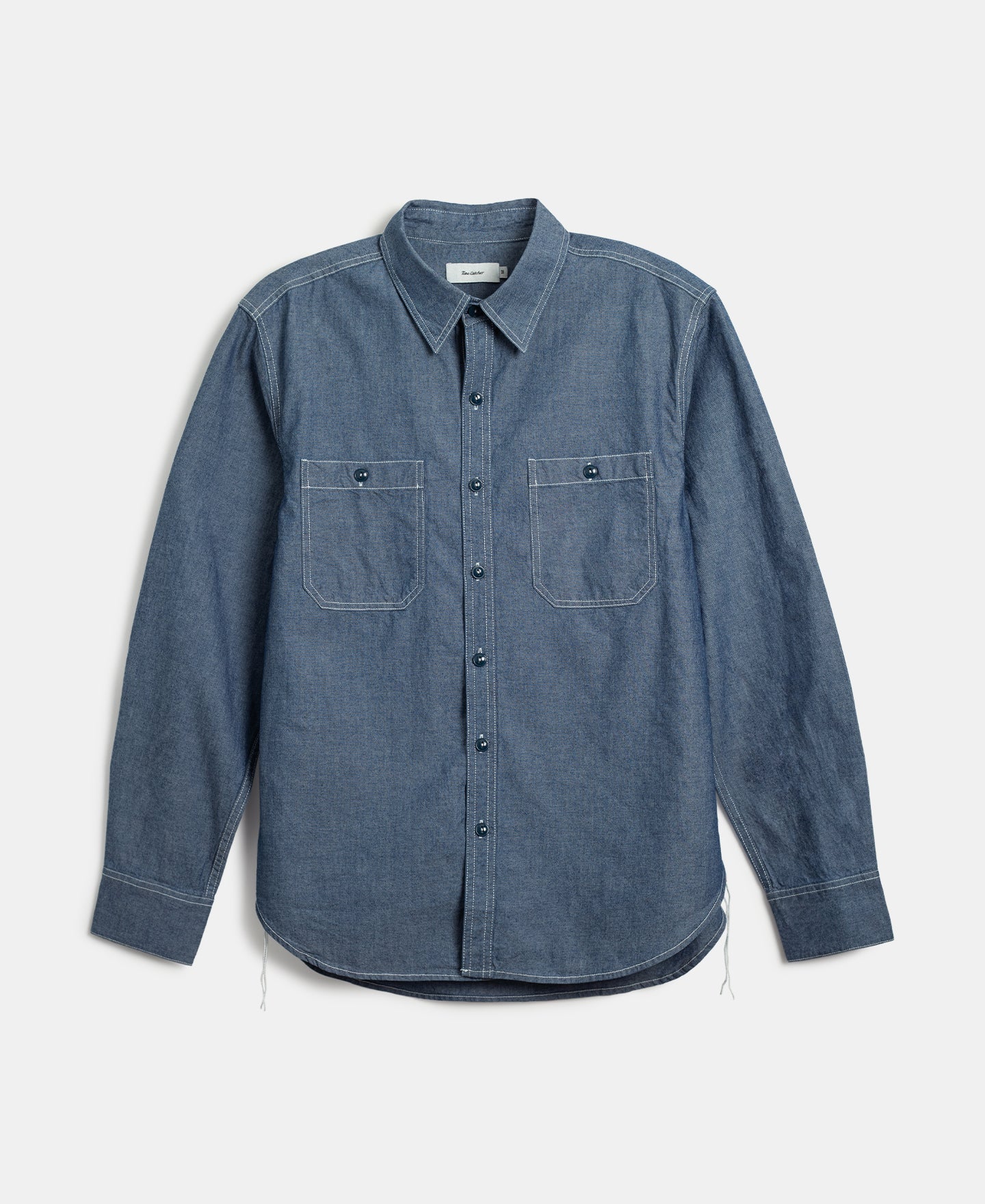
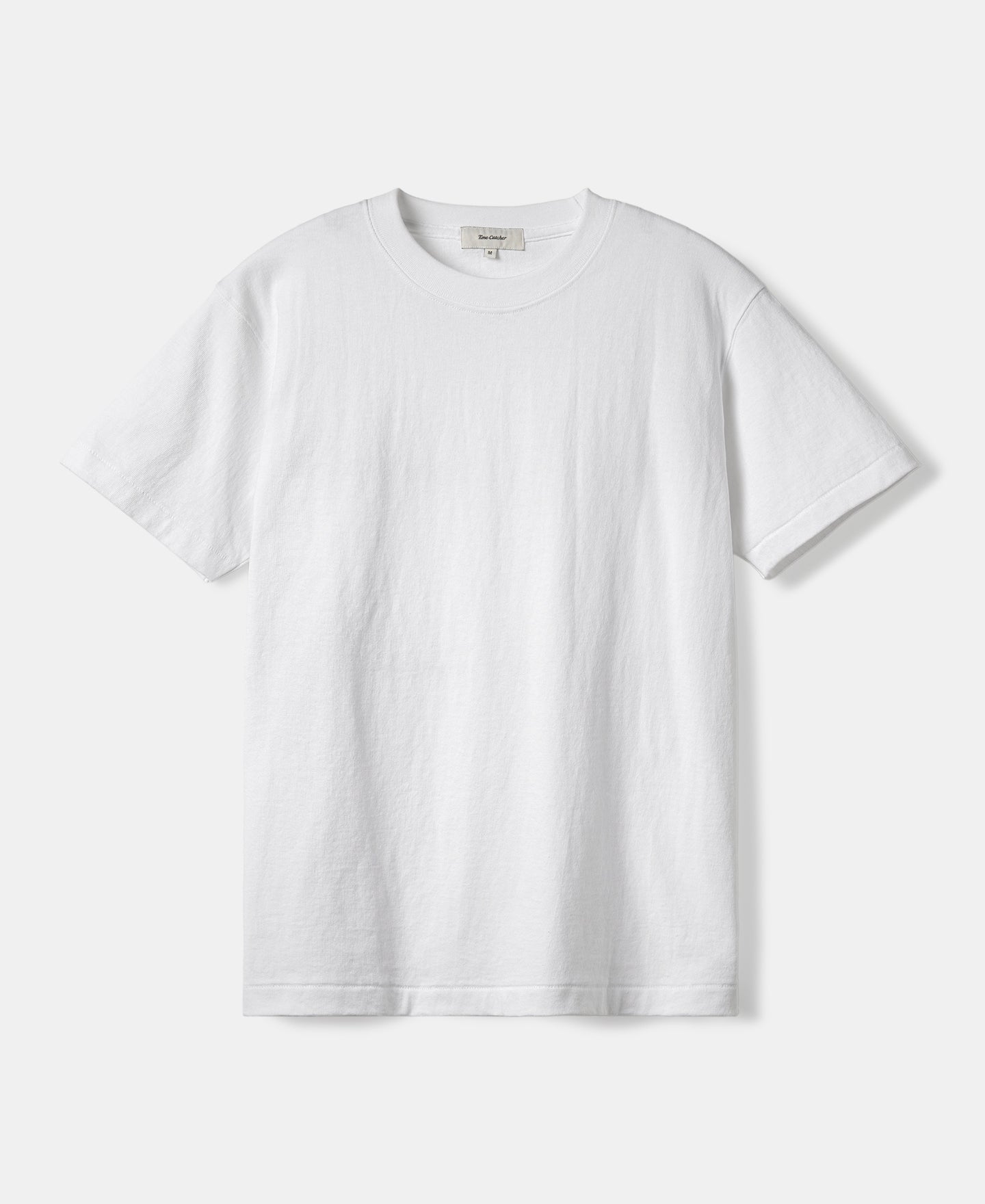
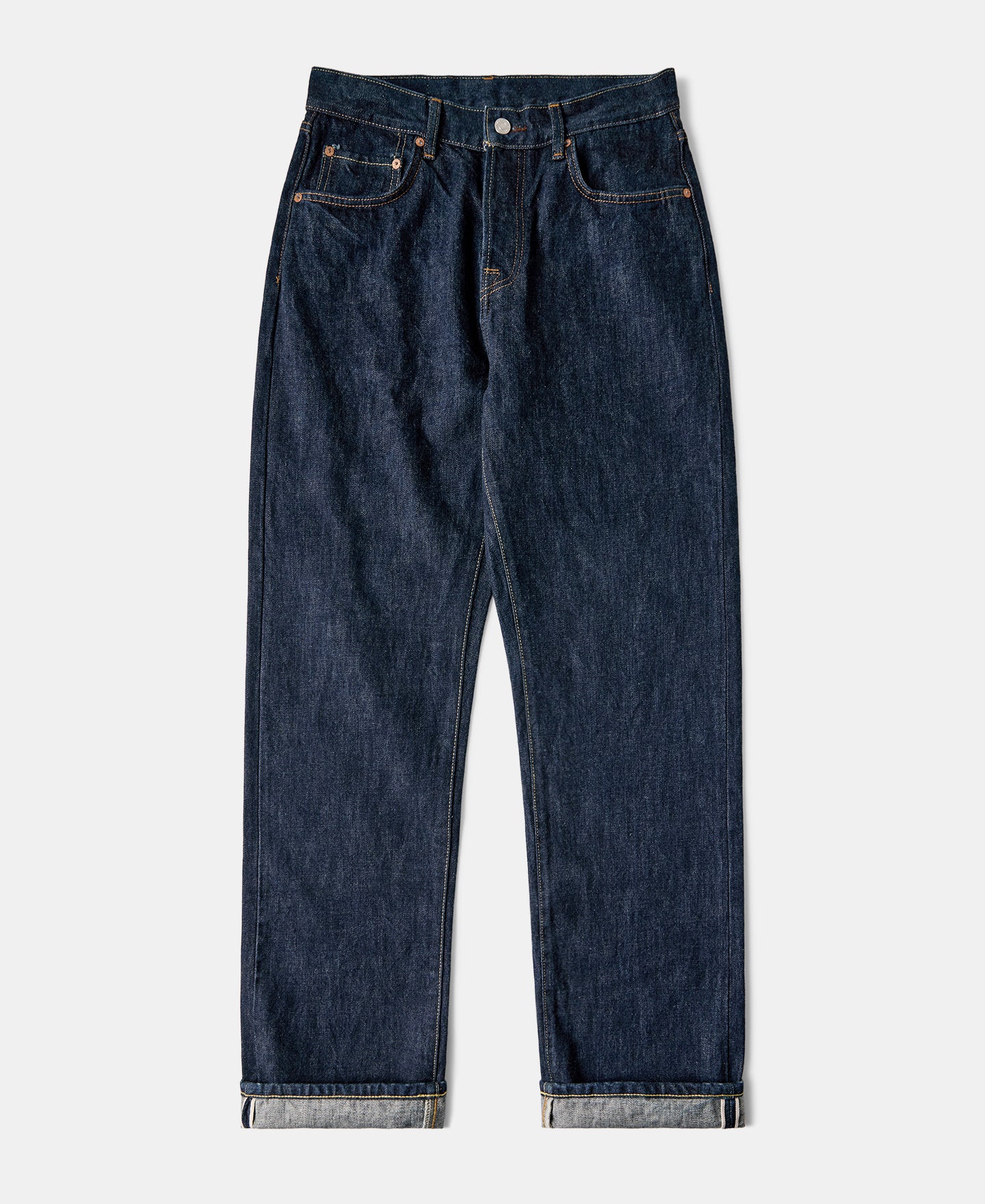
Why this combo works: Reliable, adaptable, and easy to wear from morning to evening.
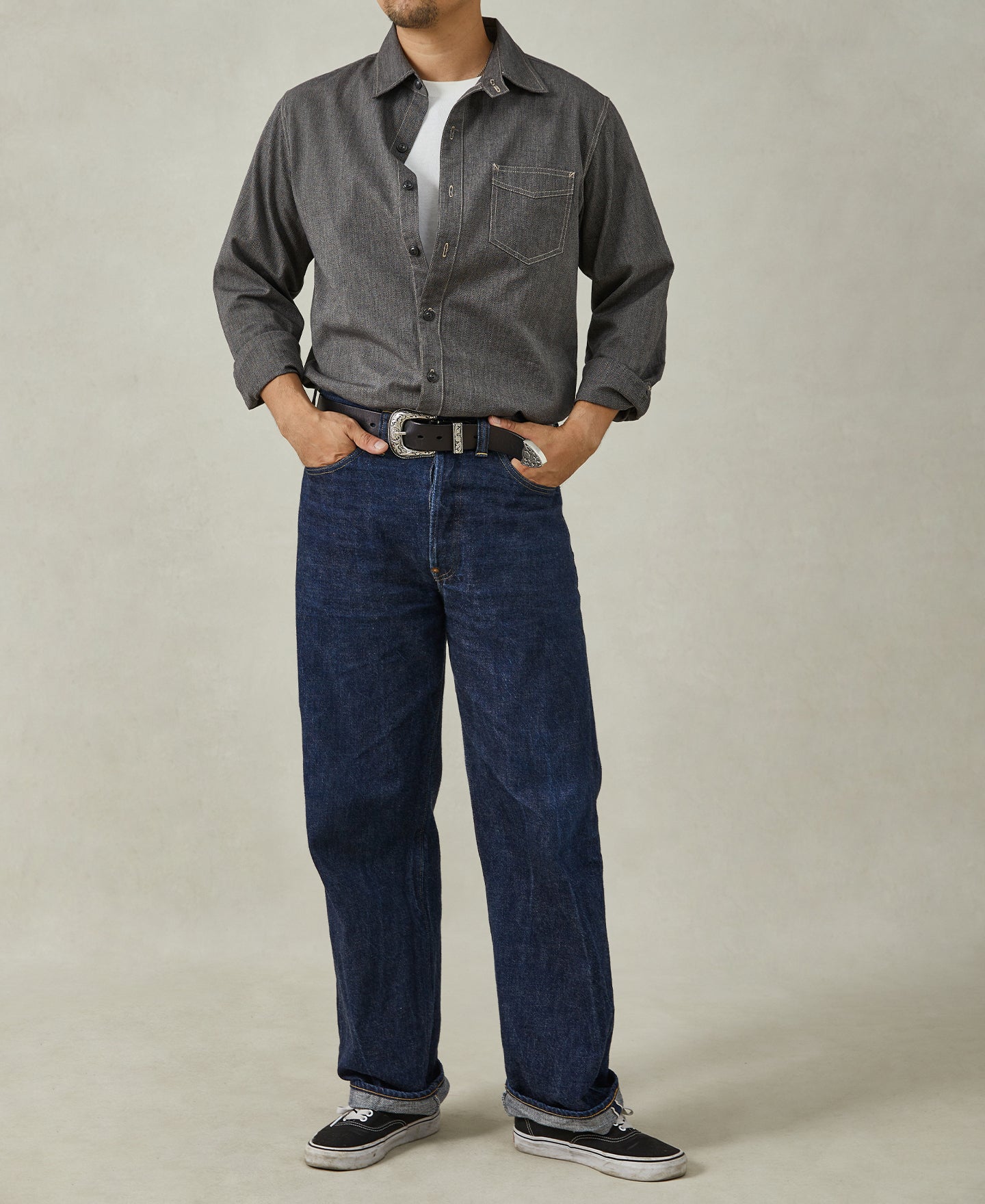
2. Upgrade the Same Formula With Texture
A 1930s-inspired shirt adds weight and structure to a basic combo.
You might already have:
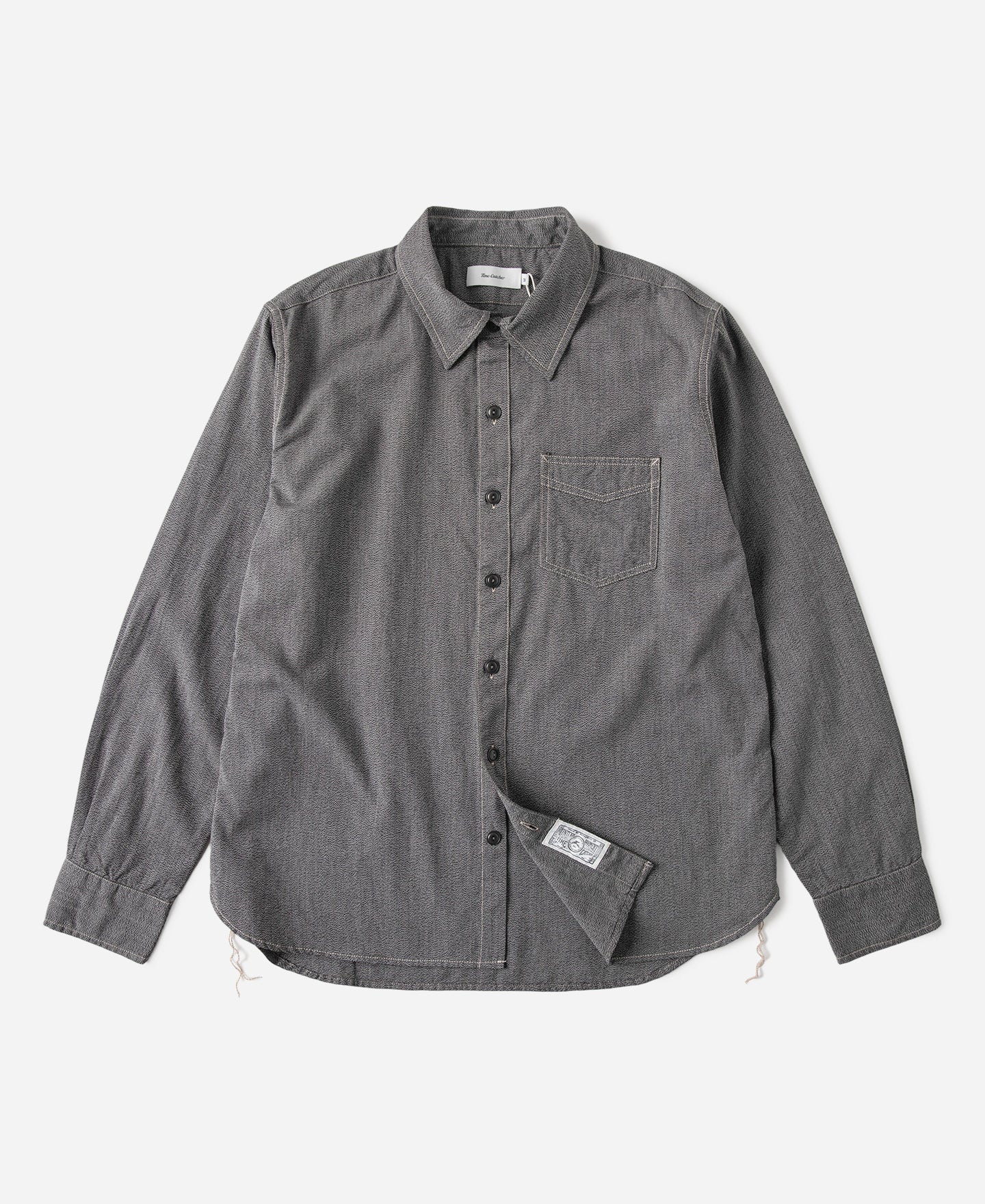
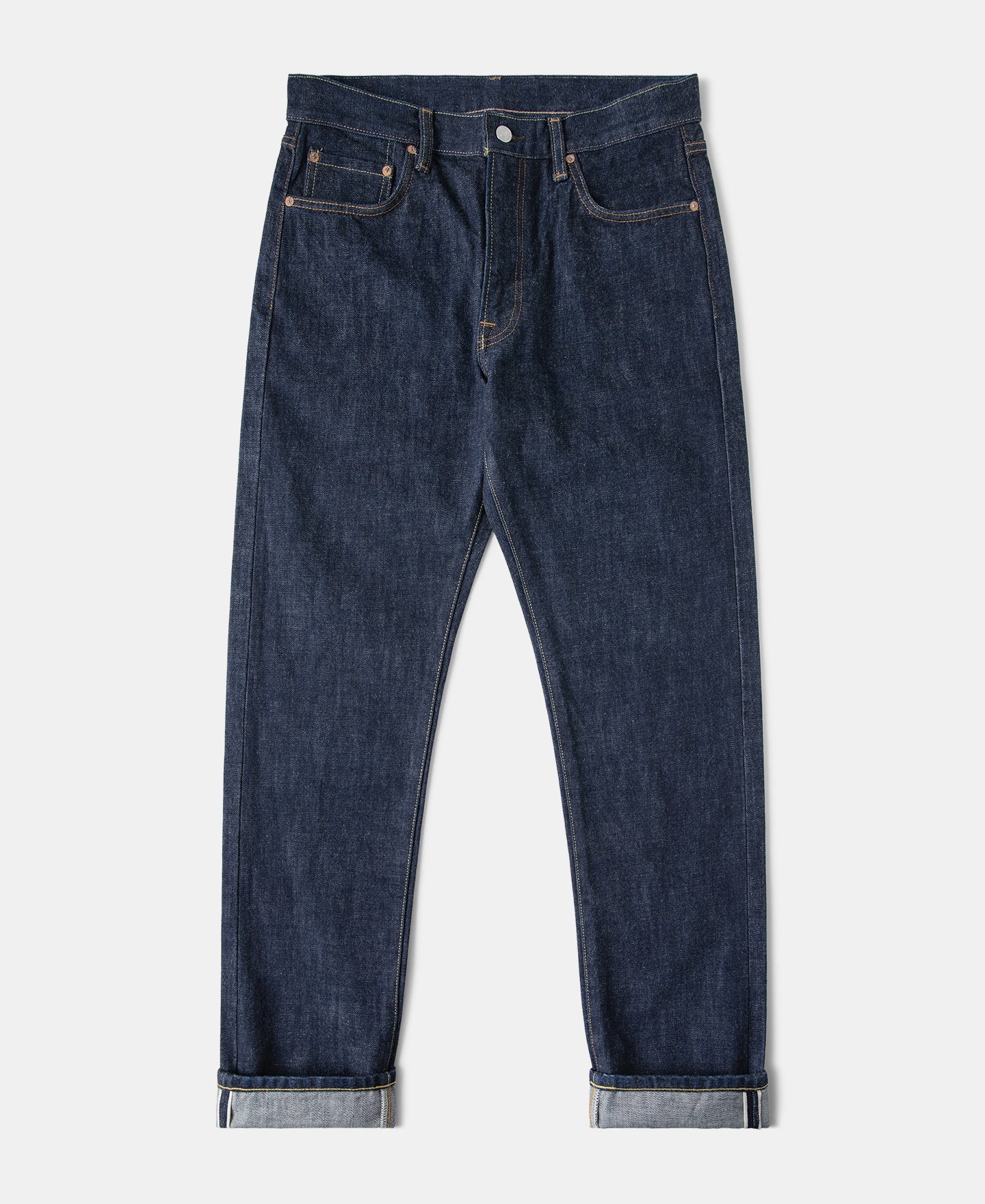
Why this combo works: Same formula, but with more character and depth.

3. Let One Piece Do the Work
Sometimes less is more. A Henley can stand alone in mild weather.
You might already have:

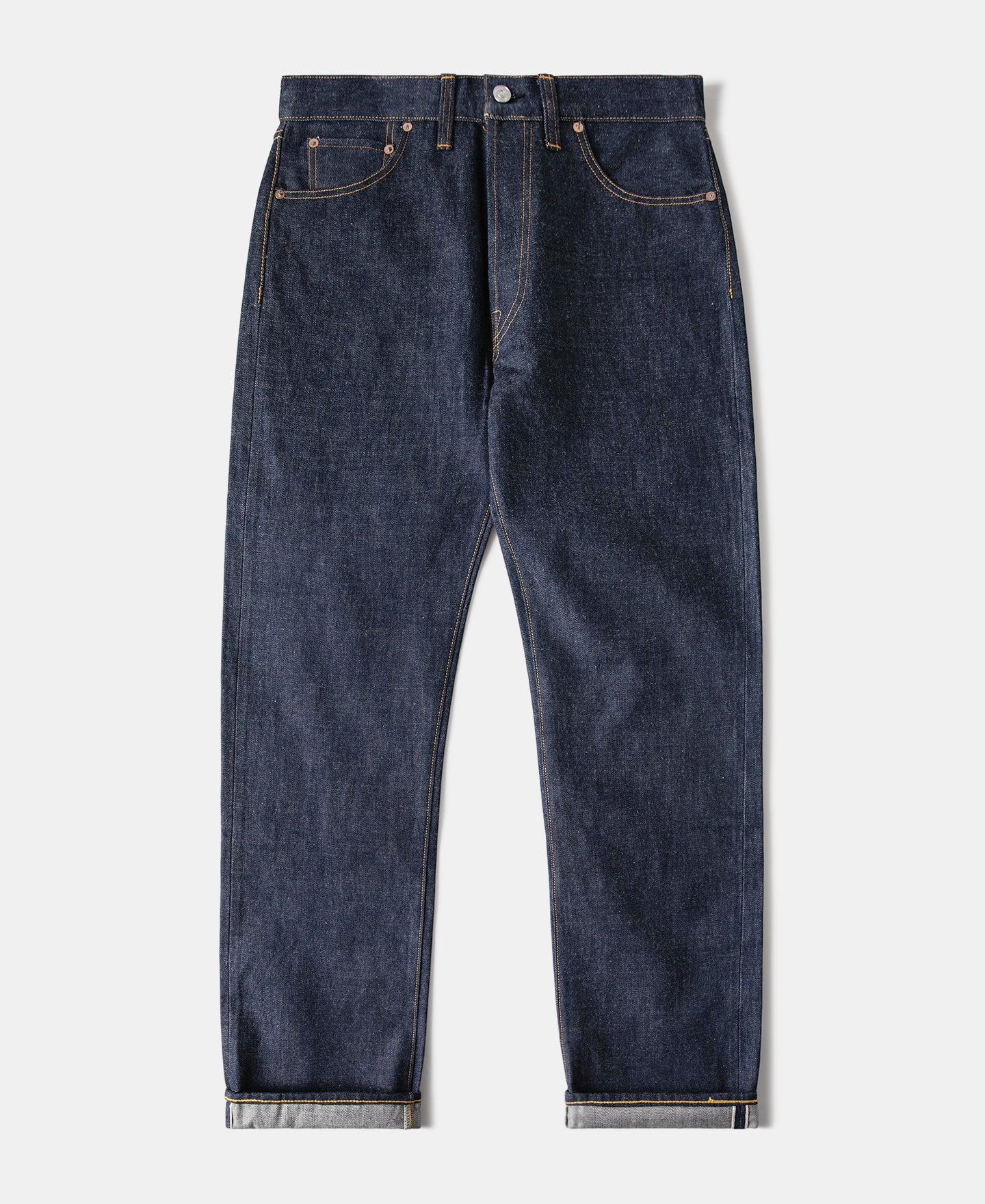
Why this combo works: Clean, effortless, and quietly confident.

4. Balance Weight and Structure
Contrast matters. Heavier rugby top + lighter structured trousers = perfect balance.
You might already have:
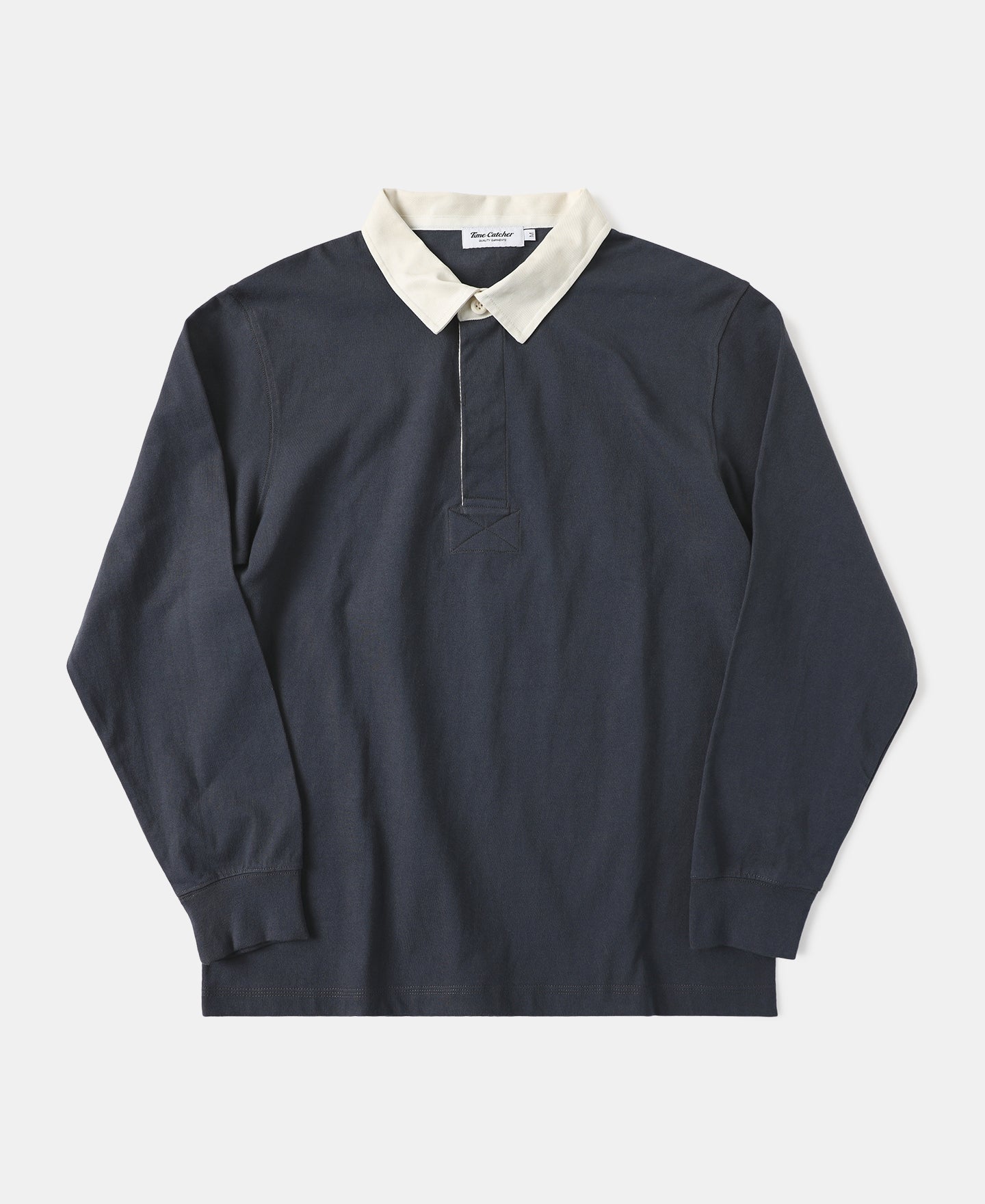
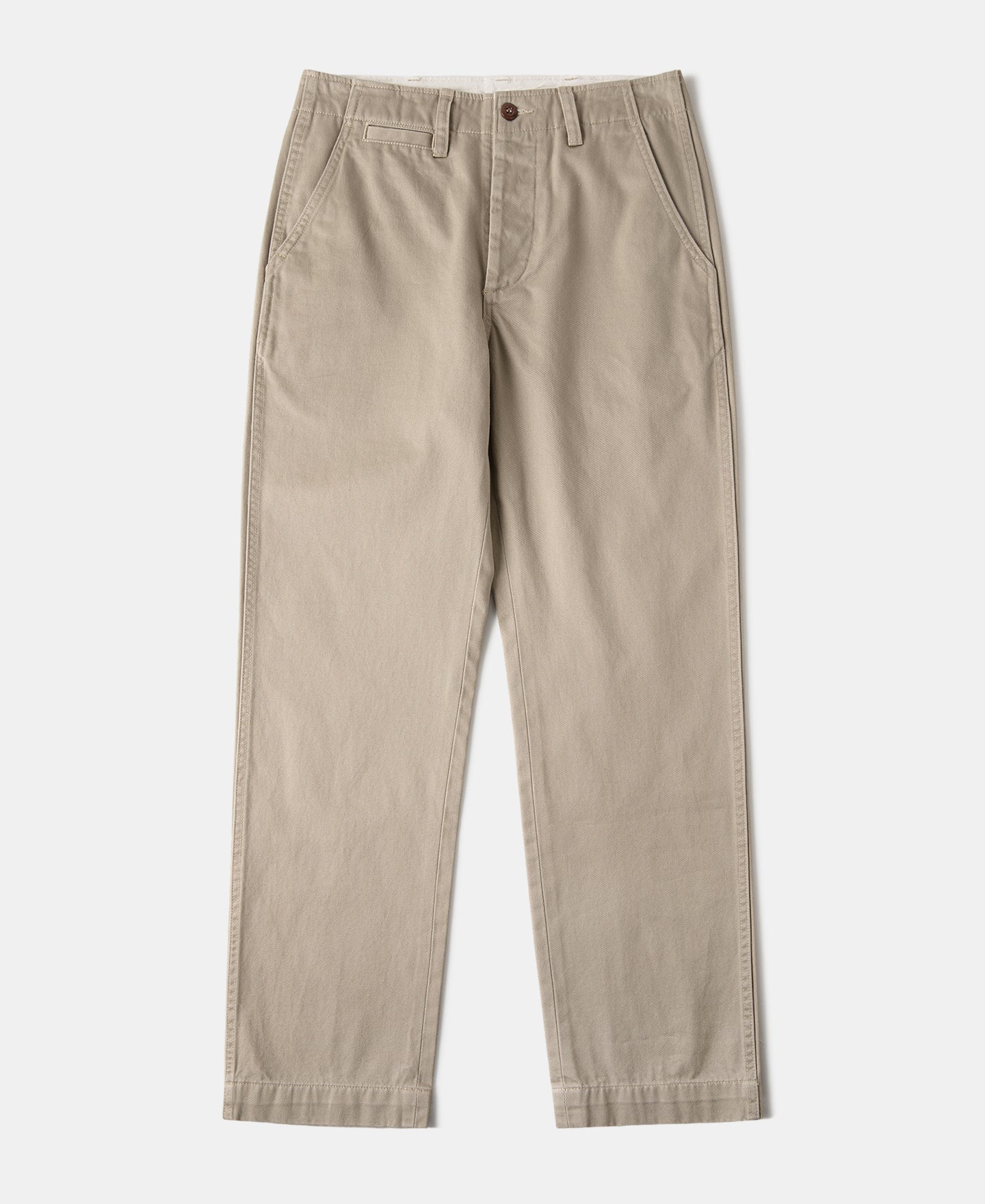
Why this combo works: Casual, but with a strong silhouette.
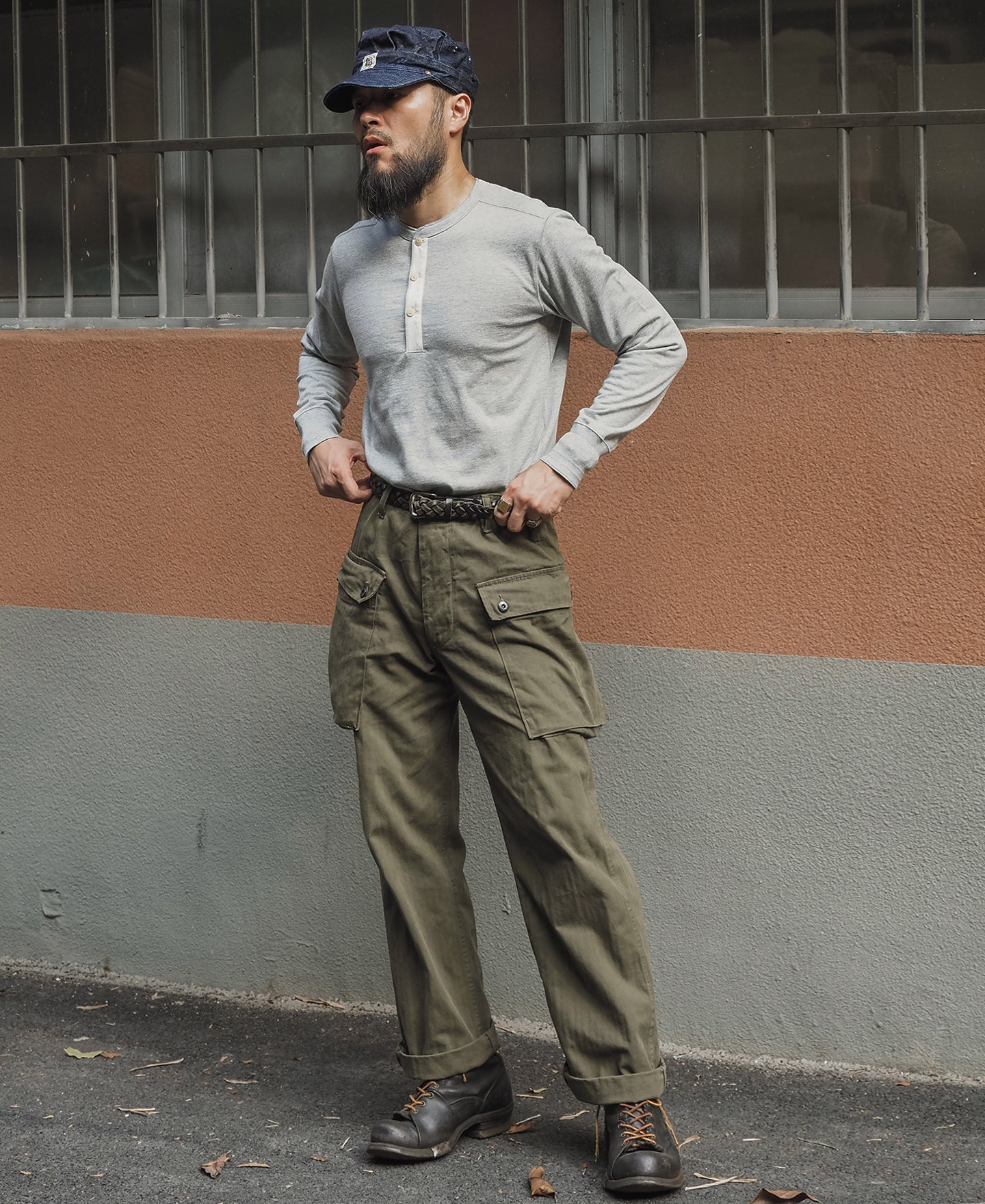
5. Shift the Tone With Color, Not Layers
Color can bridge seasonal gaps as much as layers. Warmer tones naturally add depth.
You might already have:
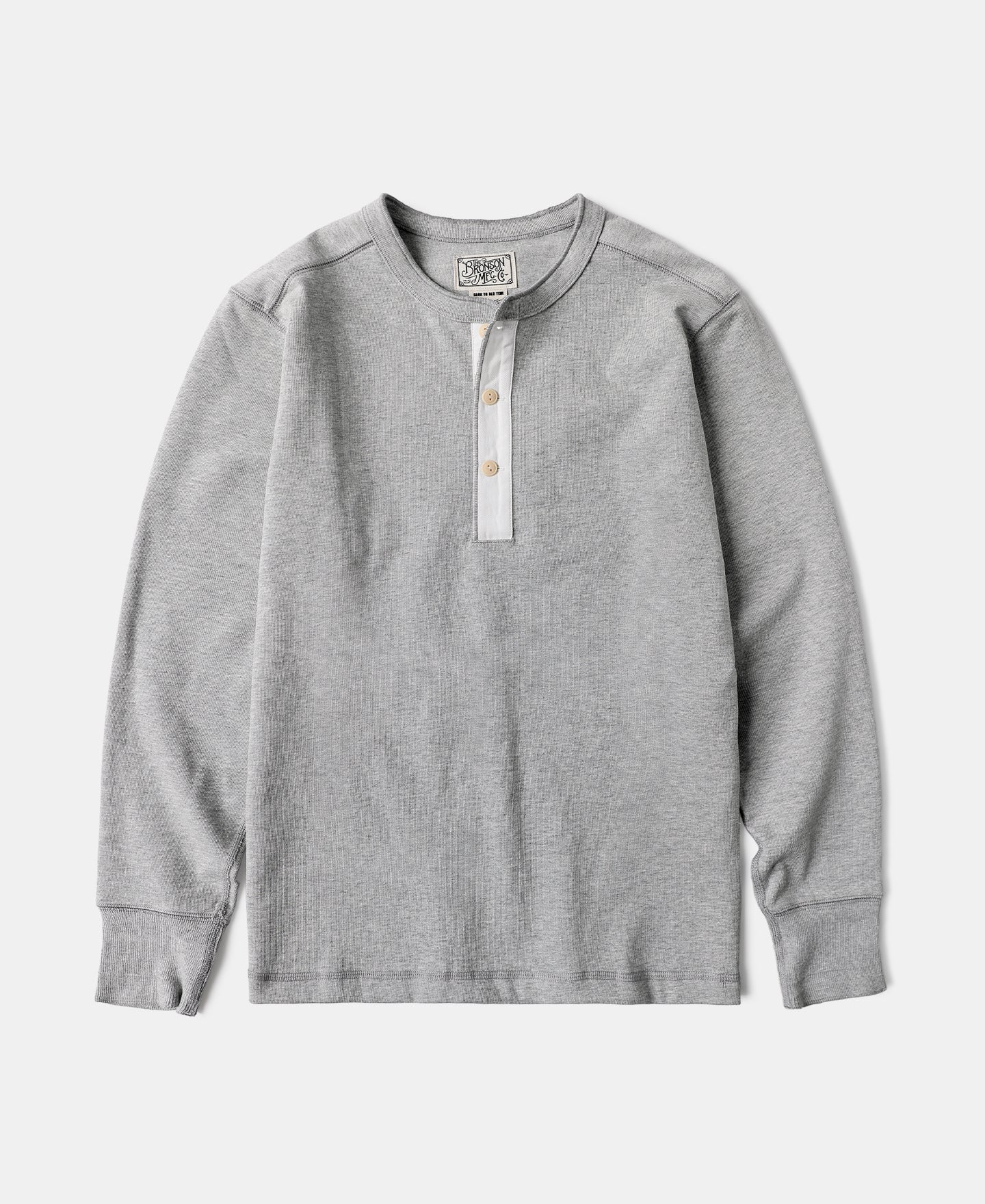

Why this combo works: Simple pieces, visually richer, and more seasonal.
Final Thought
You don’t need a new wardrobe for transitional weather. Better layering, better balance, and better use of what you already own—most of these pieces are likely already in rotation. Now it’s just about wearing them with more intention.